About Akagera Ikizere:
Back in 2019, Emmanuel (Baho) presented to Semilla a handful of lots that were traced back to communities living on specific hills near his washing stations. As this is unique for East African coffees, this initiative immediately sparked their interest and kickstarted our discussions on how Semilla could expand and deepen this type of traceability.
As buyers, it’s always exciting to find more information about where coffee is coming from, but additionally, Emmanuel made it very clear that it was helpful to Baho and their producer network as well. By connecting more closely with producers this way, we’re able to ensure we continue to build with them into the future and this motivates these growers to work with Baho and also inspires growers around them as they see a possibility not only for solid pay for their coffee cherries, but also for recognition and relationships not normally offered to smallholder growers.
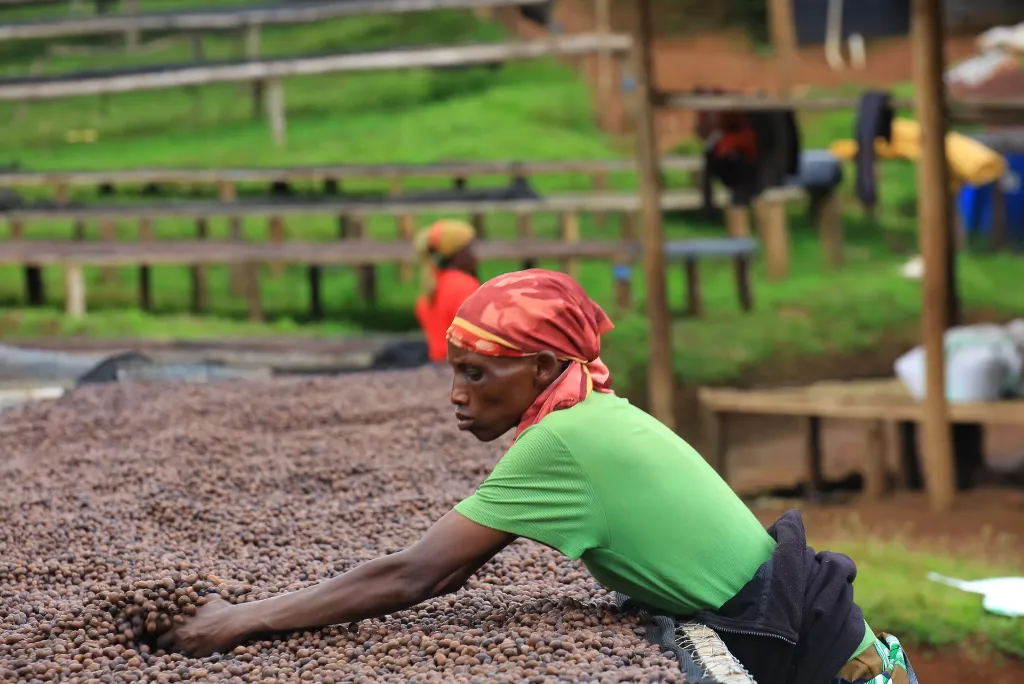
One of the first groups that emerged from this project was a group from Fugi Washing Station called Ikizere (confidence or trust in Kinyarwanda). This group was an idea created by Emmanuel that was centred around giving support to widowed and single mothers who are also coffee growers, as a means of showing support and recognition for their particular circumstances.
As in most of the world, patriarchy continues to create barriers for women in Rwanda. Though there is a large focus on gender parity and representation in the urban sectors of the country, the struggles of widowed and single women in rural areas are acute. This group then served to give recognition for their labours as smallholders but also to bring together women with similar backgrounds so that they could connect based on their shared experience and hopefully create a sense of community that assists them in their daily lives.
The Ikizere group was such a success that it has now spread to nearly every Baho Washing Station in a matter of three years. In particular, at Akagera, this group has grown enormously. For the 2022 harvest- the group’s first year selling their coffee separated as Ikizere - the lot was only made up of the production of six women but for 2023, an additional 25 women have been added to make a total of 31. These women are incredibly small farmers, with the smallest farmer, Marie Mukandaheranwa, managing only 50 trees!
Coffees from Akagera are always exceptional. Thanks for supporting the Ikizere women at Akagera!
Producers:
Nyiraneza Claudine, Mukandasongerwa Annoncita, Mukagatare Speciose, Mukanyangezi Athanasie, Mukaruhigira Anitha, Nyirantakontagize Bernadette, Nyirantezirembo Esperence, Mukashyaka Jannette, Nyiranzabandora Beata, Murekatete Virginie, Kamugenzi Lea, Kampundu Suzane, Kwibuka Francine, Nyirarukundo Julienne, Urwishumuko Azita, Bankundiye Claudia, Mukashyaka Jeannette, Mukayiranga Esperence, Mukundenawe Brigitte, Kanakuze Francoise, Mukankusi Annociate, Nyiramarora Agnes, Nyiranshuti Gaudance, Ayinkamiye Alphonsise, Murekatete Julienne, Mukarurangwa Daphrose, Mukarugina Dancille, Mukabutera Immacule, Icyimanizanye Eugenie, Niyonkuru Denyse and Mukandaheranwa Marie
Total farm size: 12.7 hectares
Pricing structure:
- Rwanda national farmgate price: 800 RWF/kilo of cherry
- Baho farmgate price: 930 RWF/kilo of cherry
- FOT Kigali price to Baho for Akagera: $9.50 USD/kg
About Akagera Washing Station:
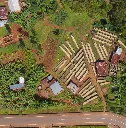
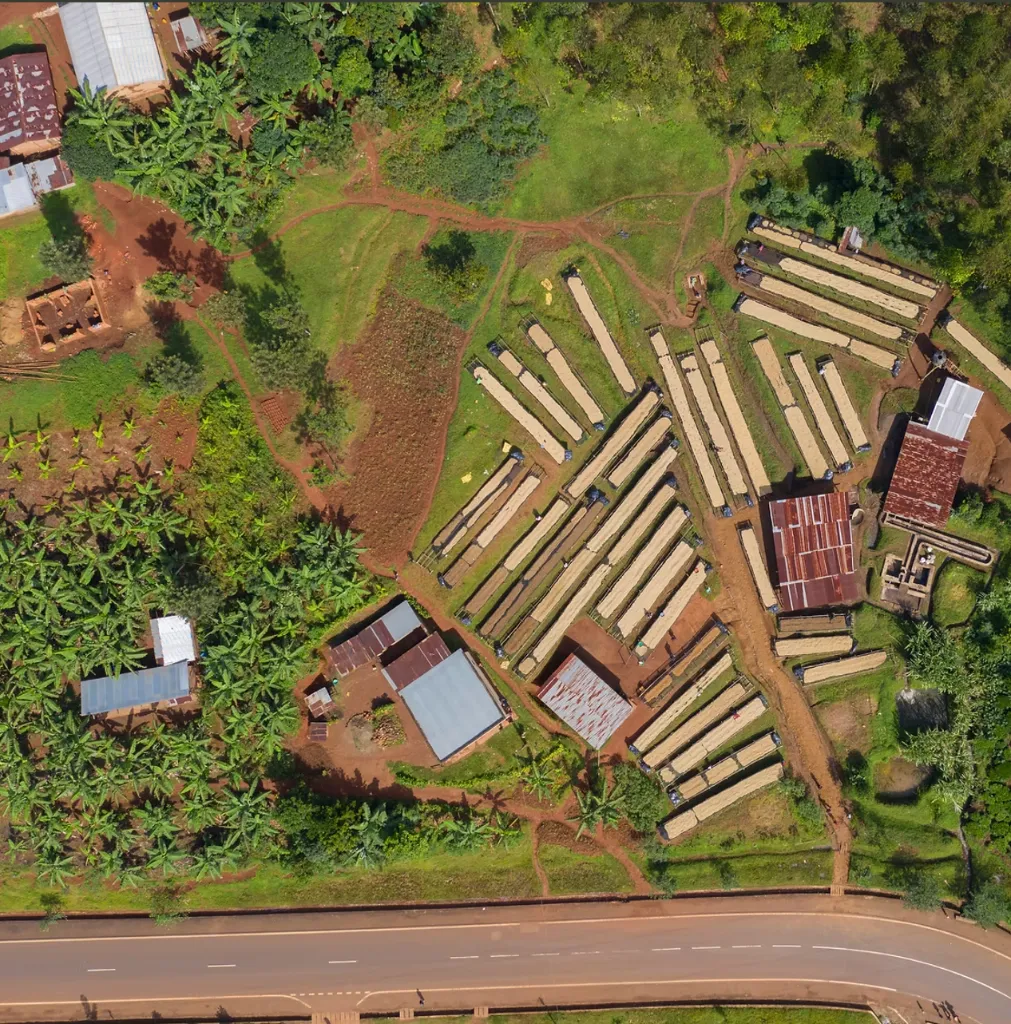
Akagera is located in the famed Nyamasheke District, set between the beautiful Lake Kivu and Nyungwe National Forest. Emmanuel attributes the cool, humid air of this particular area to the unique flavours produced in coffee here. Akagera is amongst Baho’s smallest stations, with only 460 farmers delivering cherries for a total of ~380 bags of exportable green coffee each year. This allows the managers to focus exclusively on quality, whereas some stations have to manage commercial grades as well as specialty.
At the end of 2019, the station was being managed solely by the Kobakanya Cooperative (translated, Cooperative of Coffee Growers of Nyamasheke) - a legally registered cooperative of 50 producers that collectively established the washing station a few years ago. Kobakanya had unfortunately been struggling to find consistent market access for the past few years and was beginning to have a hard time managing the station properly. Thus, they approached Baho Coffee with the opportunity to purchase the station.
It’s an interesting place, as though it is situated on Lake Kivu, it is largely a tea-growing sector of the country. Due to the high demand for cherries in this area, with sparser growing and serious competition due to a significant downturn in overall production across Rwanda, all coffees purchased from Akagera station received a farmgate price that was 50% above the nationally mandated farmgate price.
Additionally, Kobakanya and their group of dedicated out-growers will now have established security in guaranteed high prices for cherry and access to the specialty coffee market through Baho. Emmanuel plans to work in partnership with Kobakanya, helping them remain organized and providing additional tools to grow in the future, such as coffee seedlings and training.
Processing at Akagera Washing Station:
Ripe coffee cherries are harvested and brought to the CWS (Coffee washing station) by farmers or suppliers (on behalf of farmers). Cherries are then sorted to separate good cherries (red) from immature cherries (Green). After this, cherries are floated in tanks to separate good cherries (heavy) from float cherries (light).
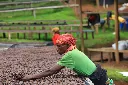
Cherries are then pulped and washed in fermentation tanks filled with water to remove the outer layer from the beans. After the first washed takes place beans are sorted using bacs and canals to separate different grades of washed beans based on profile. The fully washed beans are then taken to coffee drying beds to go through continuous drying for a maximum of 21 days.
After the beans are dried (parchment coffee), standard dry milling equipment is used to deparch, colour sort, and identify chipped beans from high-grade beans. The beans are then sorted and delivered to the NAEB export warehouse for export.
Details:
- Variety: Red Bourbon, 100% Arabica
- Altitude: 1535-1900m
- Processing: washed
- Notes: red grape, lemon, honey, creamy body.
- Quantity: 250 gr or 500 gr beans
- Our coffee bags are 100% recyclable, produced CO2-neutral and can be disposed of in the plastic waste (in Belgium: PMD-bag). Also check out our CoffeeVac containers, which we sell to shop without the use of packaging from us. When using this system (only possible for pick up- or personal delivery-orders), you earn a discount (saver-system) of 1€ per ordered 250gr/150gr coffee beans.
- These beans are roasted on 100% green energy (solar + wind).
Foremost, we choose to supply beans. After 15 minutes the aromas of ground coffee are gone. We can grind on request, but it is not something we offer as standard. More info you can find on our blog!
On our website you can discover our range of manual and electric grinders .